
Nature Happenings
-
NABA National Butterfly count.
-
-
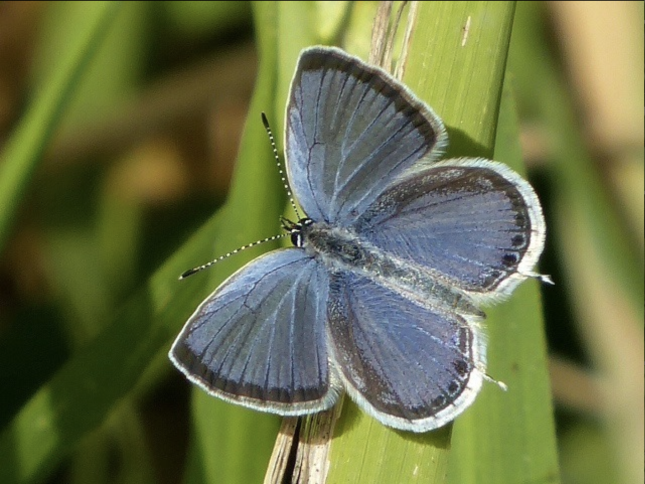
Eastern Tailed Blue Butterfly (native to Kansas)
-
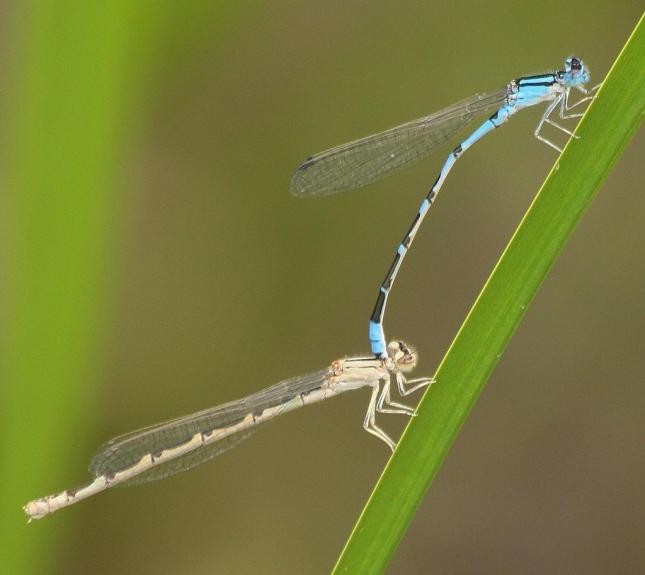
Peak of River Bluet (dragonfly) flights
-
-
River Bluets Dragonfly & Damselfly
-
First brood of immature hummingbirds begin to show up at nectar feeders early in the month.
-

-
Immature Ruby-throated Hummingbird at feeder
-
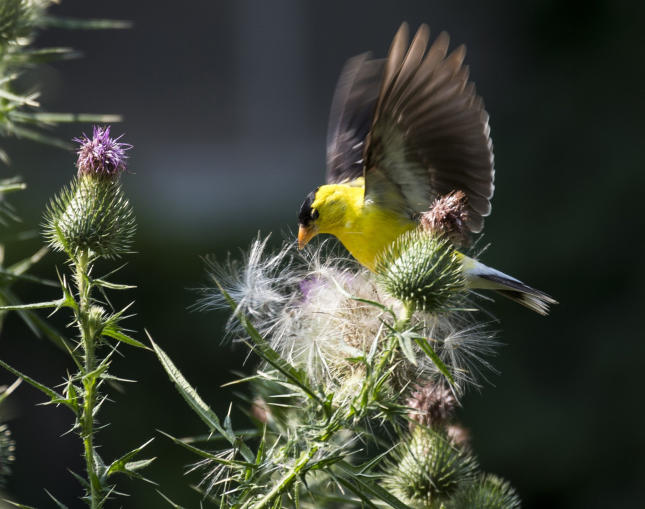
Thistle plants begin to seed; goldfinches gather thistledown for nesting material and begin nesting.
-
-
American Goldfinch gathering nesting material from thistle.
-
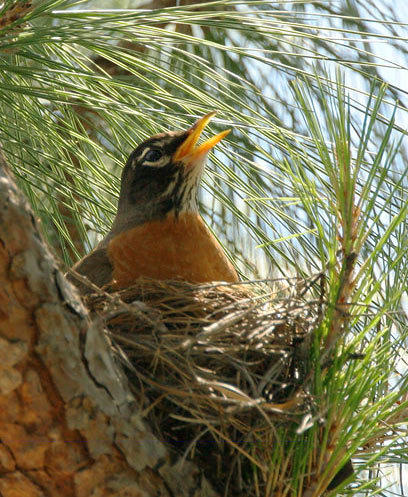
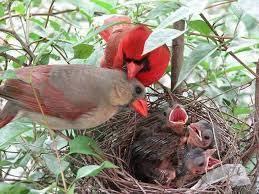
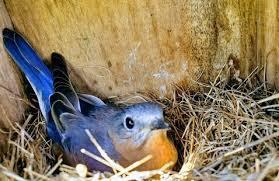
Many species (robins, cardinals, bluebirds, etc.) may be in their second nesting.
-
-
Robin Nesting
-
-
Nesting Cardinals
-
-
Bluebird Nesting
-
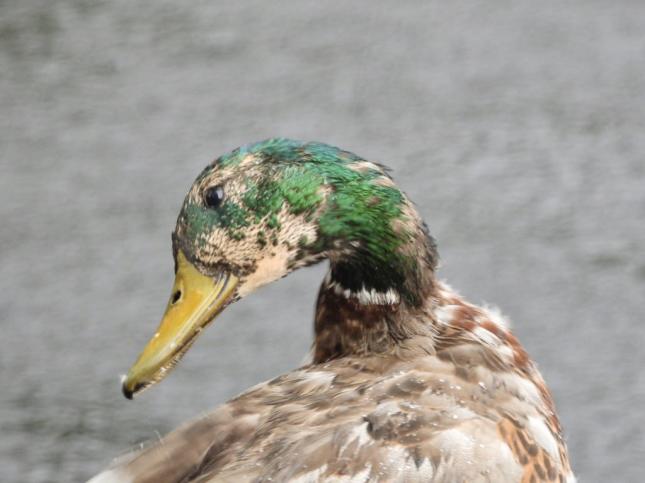
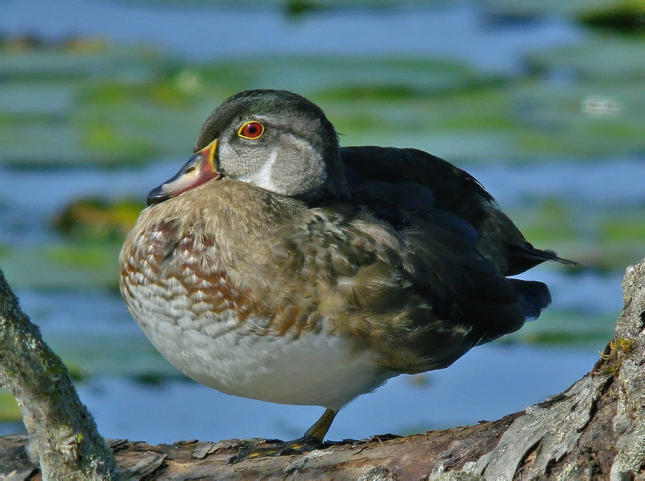
Mallards and Wood Ducks molt into "eclipse" plumage and are unable to fly for several weeks.
-
-
Molting Mallard Duck (Molting-shed old feathers, hair, or skin, or an old shell, to make way for a new growth.)
-
-
Male Wood Duck with eclipse plumage
-
Eclipse plumage is temporary or transition plumage. Ducks are peculiar in that they shed all their flight feathers; the long, wing feathers; at once. Ducks are not able to fly during this period.
-
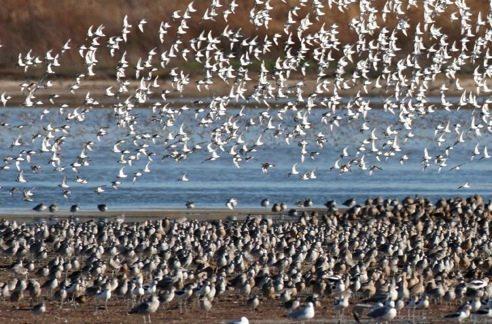
Fall migration starts this month with shorebirds returning later in month.
-
-
Shorebirds
-
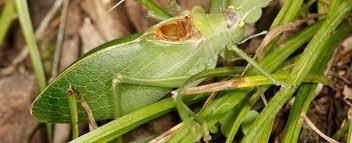
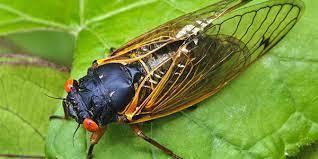
Katydids and Cicadas are in full chorus by late-month.
-
-
Katydid
-
-
Cicada (Don't spray them, birds will eat them!)
-
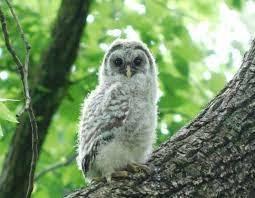
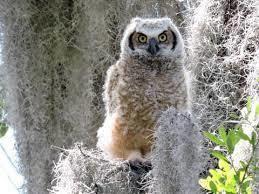
Listen for the feeding screeches of young Barred and Great Horned Owls.
-
-
Immature Barred Owl
-
-
Immature Great Horned Owl
-
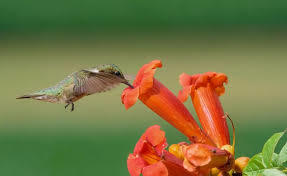
Look for hummingbirds feeding on Trumpet Creeper and Jewelweed flowers.
-
-
Hummingbird on Trumpet Creeper
-
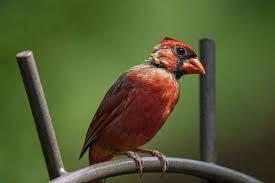
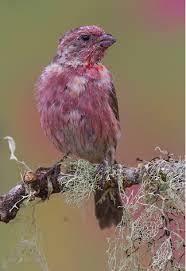
Many songbirds go into heavy molt.
-
-
Molting Cardinal
-
-
Molting Finch
-
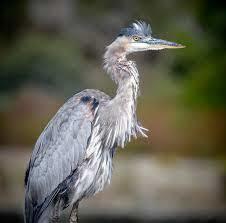
Great Blue Herons fledge.
-
-
Immature Great Blue Heron
-
Delta Aquarids Meteor shower peaks in late-July.
-